Productivity
Every company talks about values. Very few actually feel them on a random Tuesday afternoon. At Gameskraft, our ways of working showed up in small moments. In a design review where someone asked, “What if we completely rethink this?” In a sprint where we shipped something imperfect just to learn faster. In uncomfortable conversations about quality, ownership, and whether we were truly building for players. Almost every day, we asked ourselves questions like these:
Are we bold enough to change the RMG landscape? Are our processes helping teams collaborate or slowing them down? Are we raising the bar, or just delivering what’s expected? Over time, these questions shaped how we worked. These are the principles that guided us, not as rules, but as behaviours we tried to live by.

Be Bold
Playing it safe feels comfortable. It also keeps you invisible. Being bold at Gameskraft did not mean reckless ideas or chasing novelty. It meant questioning defaults and pushing past the obvious answer. Sometimes it was as small as challenging a familiar layout. Sometimes it meant proposing something that felt “too risky” for the first draft. In design reviews, we often encouraged throwing in one wild idea, even if it never shipped. Honestly, it was uncomfortable at times for the teams. Those ideas stretched the room. They raised expectations. More often than not, the final solution was better because someone dared to go too far first. Bold ideas may fail, but timid ones rarely move anything forward.

Customer Obsessed
The customer is the hardest voice to keep in the room, especially when deadlines are tight. Customer obsession meant constantly asking, “Who is this really for?” and “What problem are we solving for the player?” It showed up when teams replayed user sessions, questioned assumptions, or reworked flows that technically worked but felt confusing. For example, instead of celebrating feature completeness, teams paused to ask whether a first-time player would actually understand what to do next. That shift in thinking changed priorities more than any roadmap ever could. When decisions got messy, the player experience became the anchor.

Bias for Action
Clarity rarely comes before action. It usually comes because of it. Bias for action meant building quick prototypes instead of debating endlessly. It meant testing ideas early, even if they were rough. Teams learned more from a half-built experiment than from weeks of speculation. There were moments when we shipped something knowing it was not perfect, just so we could see how players responded. That feedback helped us improve faster than waiting for certainty ever would. Progress beats perfection when learning is the goal.
Collaboration
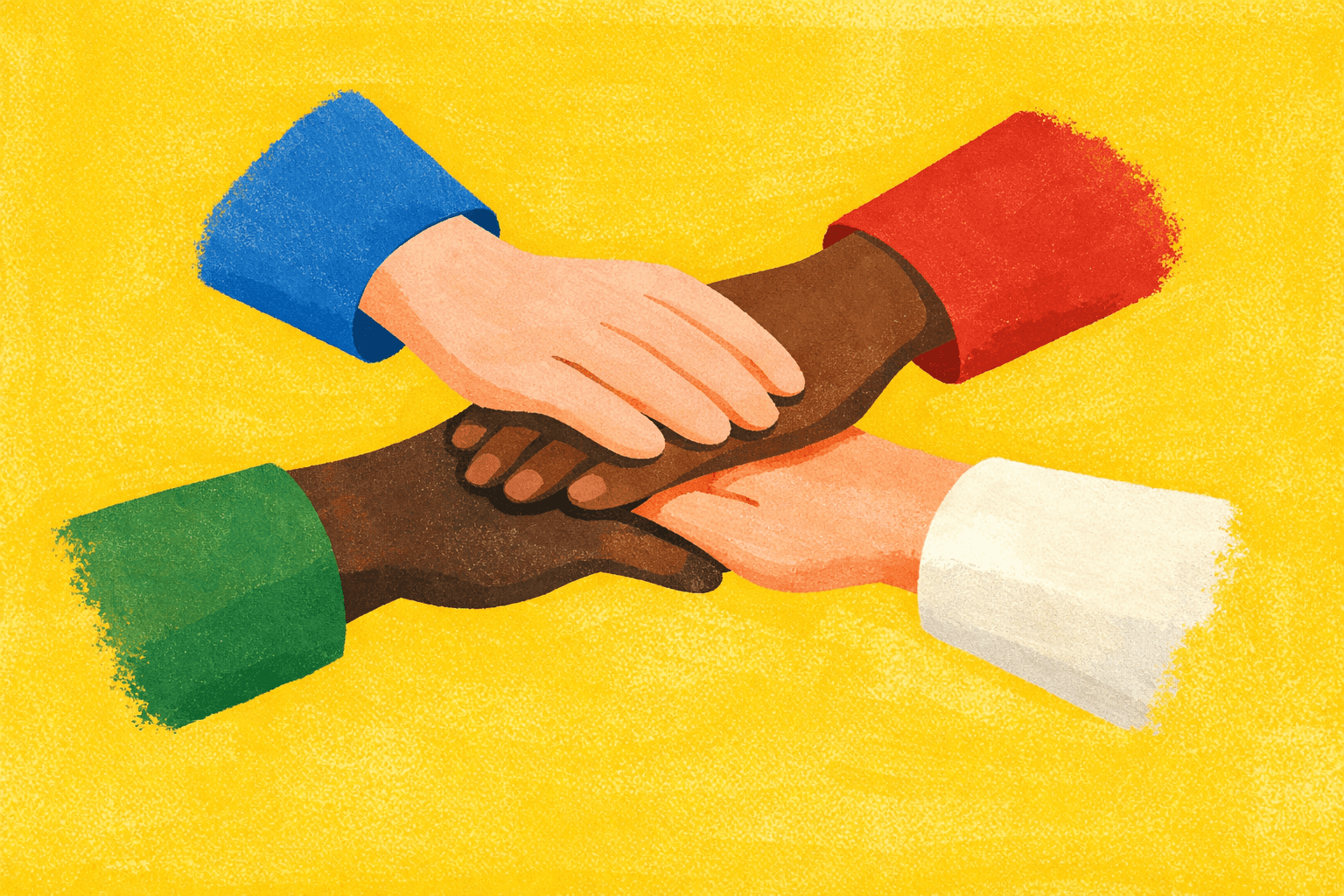
Good work gets better when more minds shape it. Collaboration was not about meetings or alignment decks. It was about involving the right people early. Designers sharing work-in-progress with engineers. Product managers inviting tough questions instead of defending decisions. Feedback flowing both ways. Some of the best improvements came from someone outside the core team asking a simple question that no one else had thought to ask. When silos broke, ideas got sharper. The product always benefited when ownership was shared.

Ownership
Ownership changes how you show up. At Gameskraft, ownership meant treating work as something you cared deeply about, not just something assigned to you. It showed in people following up without being asked, fixing things that technically were not “their responsibility,” and staying accountable even when outcomes were uncomfortable. When something failed, the focus was not on blame, but on learning and fixing it. Ownership meant staying with the problem until it was truly resolved. You build better things when you feel responsible for the outcome.

Raise the Bar